Apex Legends and the Early Live-Service Trust Gap
Apex Legends' live-service promise faltered as slow content cadence, bugs, cheating, and vague communication eroded player trust.
In the spring of 2019, Apex Legends looked like a battle royale miracle. Respawn Entertainment's surprise launch in February drew 50 million players in its first month, and for a while the game seemed to have stolen the genre's momentum from Fortnite. By May, however, the mood had shifted. Players were not merely asking for more content; they were asking for evidence that the developers were listening. The gap between the game's polished debut and its slowing update cadence became the first real test of the live-service promise that Respawn had made.
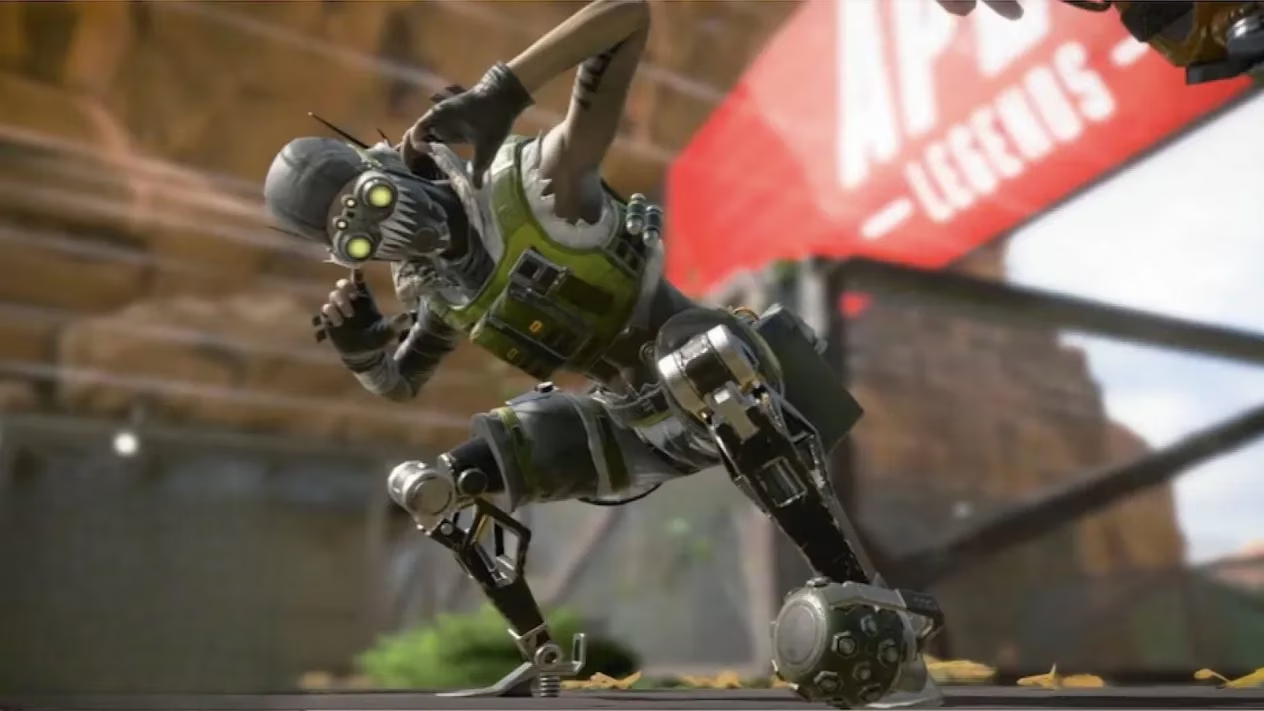
The frustration had a concrete source. Fortnite was publishing weekly updates, adding weapons, skins, and events at a pace that kept its community busy. Apex Legends had chosen a different rhythm: seasonal updates, not weekly ones. Respawn argued that it did not want to overwork its staff, especially amid reports of crunch and less-than-ideal working conditions at multiple studios. That concern was reasonable. Yet players facing sound problems, wonky servers, and persistent cheating wanted hot fixes, not a debate about production philosophy. The distinction mattered: empathy for developers and frustration with broken matches could coexist.
One Reddit discussion captured the tone. Players said they loved the game and wanted it to succeed, but they found the patience requests evasive. They asked for a hot patch, a single bug fix, something tangible. Another player recalled a collision fix that was supposedly coming in the next patch, only for weeks to pass without the update and without the fix. The details of such recollections were fuzzy, but the underlying complaint was sharp: communication without delivery erodes trust.
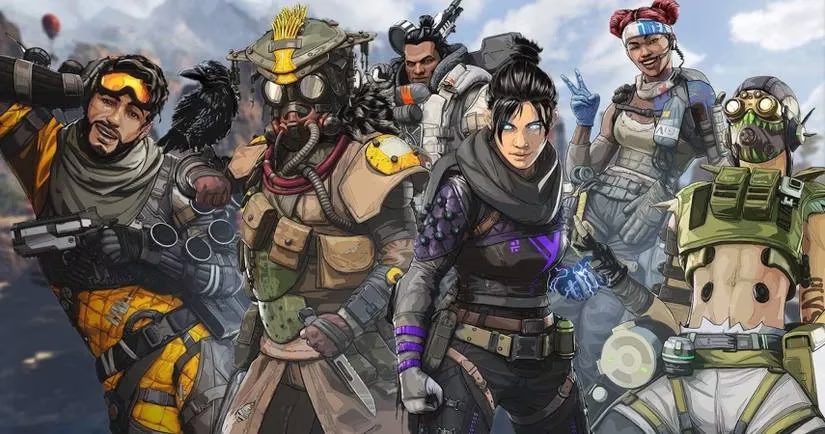
The consequences showed up in attention. Twitch viewership fell as the launch hype cooled, and some players drifted back to Fortnite and PUBG. The reference report identifies the lack of urgency around new content as the main reason Apex lost part of its player base. It also points to a cluster of smaller failures: missing fixes, unstable servers, and hackers. Respawn's announcement that nearly 1 million cheaters had been banned was a meaningful step in the right direction. It was not, however, a substitute for fresh content or visible patch progress.
| Pressure point | Player expectation | Respawn response |
|---|---|---|
| Content cadence | Fresh weapons, skins, and events more often | Seasonal updates instead of weekly ones |
| Bugs and sound | Hot patches and quick fixes | Requests for patience |
| Cheating | Visible enforcement | Nearly 1 million bans announced |
| Communication | Clear timelines and follow-through | Explanations that often felt vague |
A Live-Service Lesson in Three Parts
The episode offers a compact case study in how live-service trust is won and lost. It is not enough to launch with a great game. The community also needs a rhythm of support that matches the rhythm of play.
-
🛠️ Fix what is broken first. Sound bugs and server issues may not be glamorous, but they shape every match. A hot patch can be a stronger loyalty signal than a cinematic trailer.
-
🗓️ Share a timeline that survives contact with reality. A promised fix that slips without explanation feels worse than a fix that was never announced.
-
🎮 Fresh content is a retention tool, not a luxury. Weekly updates are not the only valid model, but seasonal plans still need visible milestones along the way.
-
🛡️ Anti-cheat matters, but it is not a content strategy. Banning cheaters protects the experience; it does not give players a new reason to return.
By 2026, the episode reads as an early warning for every live-service game. The market is crowded, attention is fragile, and players have many alternatives. Seasonal roadmaps can work, but only when they are paired with rapid hot fixes, honest communication, and a steady flow of reasons to come back. The 2019 Apex dispute was not simply about ungrateful fans or stubborn developers. It was about a mismatch between the pace of a live game and the pace of its support.
Respawn's caution about overwork was not wrong. The studio's instinct to protect its people deserved a hearing. But the player-facing lesson was equally clear: patience is a resource that has to be replenished. A hot patch, a fixed sound bug, or a clear date can do more for trust than a broad promise about the next season. In the end, Apex Legends did not lose players because its community hated the game. It lost some of them because the game asked for patience while offering too little proof that patience would be rewarded.